May 2026—present
Expanded scope · Digital Experience Monitoring
Added go-to-market responsibility for Real User Monitoring, Synthetic Monitoring, and Session Replay—extending the same execution model from Logs into a second solution portfolio.
The second layer · Evidence and method
A structured account of how Christian Schwendemann reads markets, builds execution infrastructure, and closes the loop between product and field revenue.

Identity
Christian Schwendemann is a Vienna-based Principal Product Manager responsible for go-to-market across Log Management, Analytics, and Digital Experience Monitoring at Dynatrace.
His career spans IT training, consulting, sales engineering, regional and global GTM leadership, product marketing, and product management. The consistent theme is translating complex technology into an execution model that teams can use and markets can validate.
He pursued Business Administration studies at FH Burgenland, was formerly active as a Microsoft Certified Trainer, and became one of 15 Master Citrix Certified Instructors worldwide.
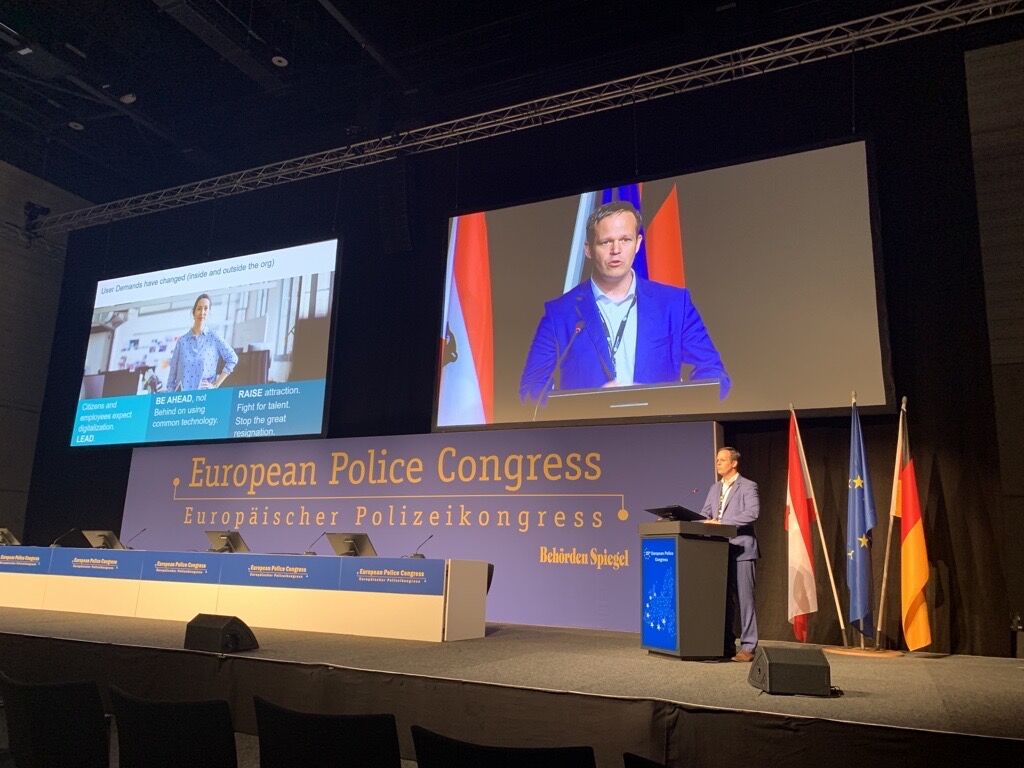
Market-facing by design
Strong outbound product work is not a relay from product to sales. It is a two-way operating layer: translating the roadmap for the field and routing customer pressure back into product decisions.
Selected career record
A concise record of the transitions and outcomes that shaped the operating model.
Added go-to-market responsibility for Real User Monitoring, Synthetic Monitoring, and Session Replay—extending the same execution model from Logs into a second solution portfolio.
Product-led GTM connecting roadmap translation, positioning, field enablement, and feedback. The portfolio was reported at roughly $35M when Christian assumed Logs responsibility; by Q3 FY2026, Dynatrace publicly reported more than $100M in annualized Log Management consumption.
Built six reusable analytics sales plays from 93,000 opportunity records across a $64M revenue scope. Documented outcomes include 31% YoY customer growth, $15M+ pipeline added, and 5+ enterprise wins over $1M ACV.
Technical pre-sales, executive briefings, team leadership, alliance plays, and regional GTM. Recognized as Citrix SE of the Year for Central Europe.
Developed deep infrastructure and teaching practice as an IT trainer, consultant, former Microsoft Certified Trainer, and Master Citrix Certified Instructor.
The FY2026 Log Management figures are Dynatrace company-level product metrics and establish public portfolio context, not individual revenue attribution. Q3 FY2026 release ↗ · Q4/FY2026 release ↗
Current solution portfolio
Ingest, retain, investigate, and operationalize log data in context.
Processing, routing, transformation, and governance across telemetry pipelines.
Telemetry and workflows for AI-assisted and autonomous operations.
Query, explore, visualize, and turn operational data into decisions.
The repeating portfolio pattern
Real User Monitoring · Synthetic Monitoring · Session Replay
Application Probes · Session Recording · Director · Monitor · Analytics for Performance & Security · uberAgent
The expansion is not a new direction. It repeats a proven pattern: taking responsibility for a digital-experience portfolio where product, telemetry, user behavior, and field execution have to operate as one system.
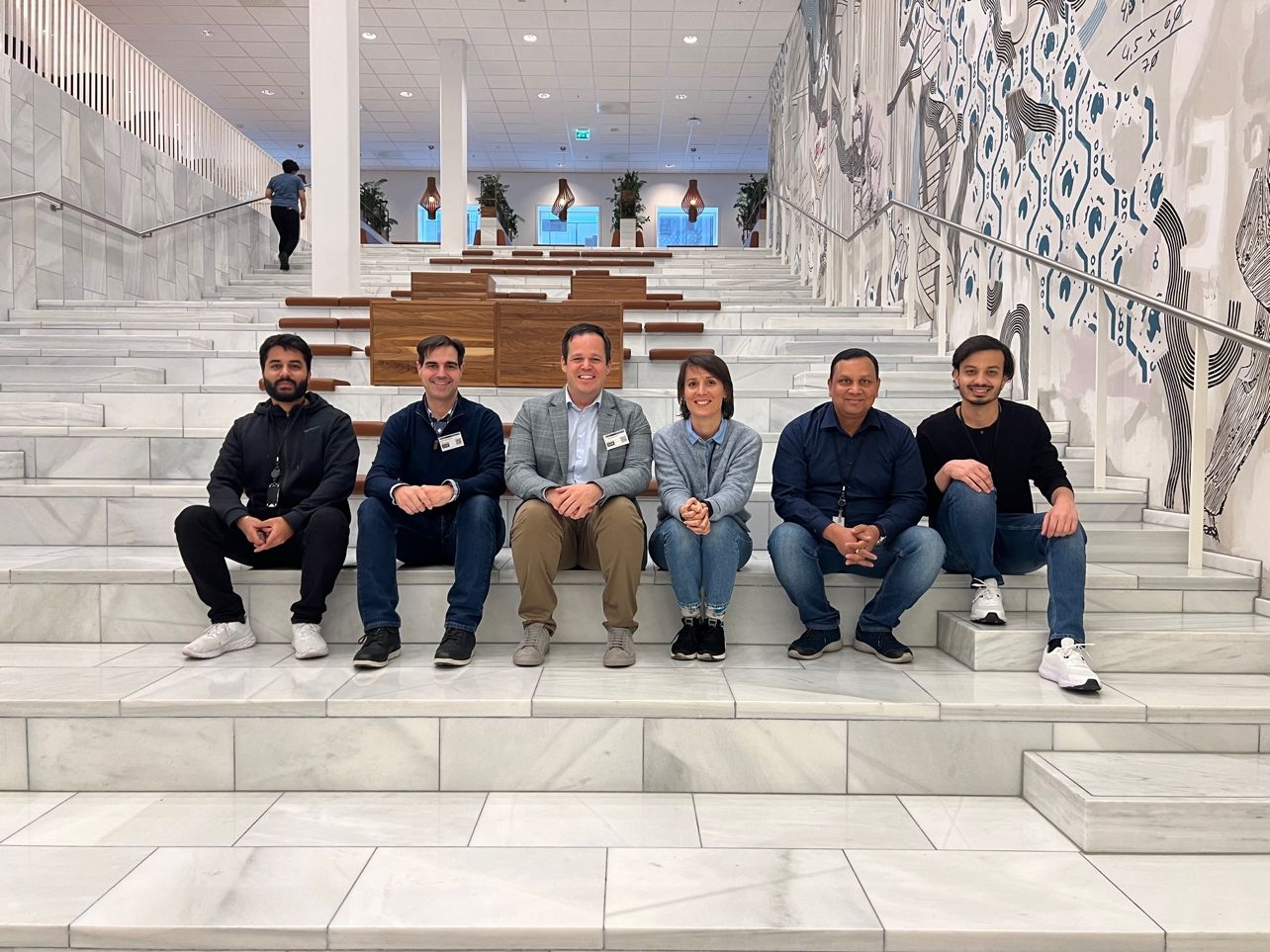
Execution infrastructure
Repeatability requires named triggers, a buyer map, objection handling, ownership, success measures, and a route for what the field learns next.
Operating model
The product changes. The execution logic remains stable.
Locate the gap between vendor language and actual buyer pressure. Use loss data, opportunity patterns, and field observation to identify the signal.
Turn the insight into positioning, plays, enablement, ownership, and an operating cadence that can survive beyond its author.
Route objections, losses, wins, adoption, and customer language back into product and go-to-market decisions.
Reuse the validated architecture across regions, partner channels, adjacent products, and acquired technology.
Choose the signal.
Build the system.
Learn and adapt.
Field observations
Working principles formed through repeated exposure to product, field, and customer systems.
The enterprise deal closes around a named problem, owner, and consequence—not the analyst label alone.
Correct insight still fails without triggers, ownership, objection handling, measurement, and feedback.
Wins reveal what worked. Losses reveal the difference between assumed value and market value.
Shared vocabulary, signal sources, incentives, and decision rights matter more than another coordination meeting.
Selected published output
External sources that make the expertise inspectable beyond this profile.
Clear definitions
An outbound product manager connects product decisions with market execution: positioning, field enablement, competitive context, launches, and structured feedback from customers and revenue teams.
It describes an operator who designs repeatable systems for growing a product category—not only individual deals—through language, plays, orchestration, and validation.
Christian is a Principal Product Manager at Dynatrace, responsible for product-led GTM across Log Management, Pipeline Solutions, Agentic Tools, Analytics, and—since May 2026—the Digital Experience Monitoring portfolio: Real User Monitoring, Synthetic Monitoring, and Session Replay.
Continue